In today's rapidly evolving educational landscape, technology has become an integral part of how we learn and teach. As interactive learning experiences gain traction, it is essential to understand how various technological tools can enhance engagement, retention, and understanding. This article delves into the myriad ways technology can be harnessed to create interactive learning experiences, focusing on the tools, methods, and strategies that can transform traditional learning into a dynamic and immersive journey.
The Role of Technology in Education
Technology has revolutionized the educational sector by offering innovative ways to interact with content, communicate with peers, and receive feedback from educators. It provides opportunities for students to engage with material in a hands-on manner, facilitating deeper learning. Let's explore some key technologies that contribute to interactive learning.
1. E-Learning Platforms
E-learning platforms like Coursera, Udemy, and Khan Academy have redefined access to education. These platforms offer a wide range of courses that utilize video lectures, quizzes, and interactive assignments. The flexibility of e-learning allows students to learn at their own pace, while also providing opportunities for practical application of knowledge through assignments and peer discussions.
2. Augmented Reality (AR) and Virtual Reality (VR)
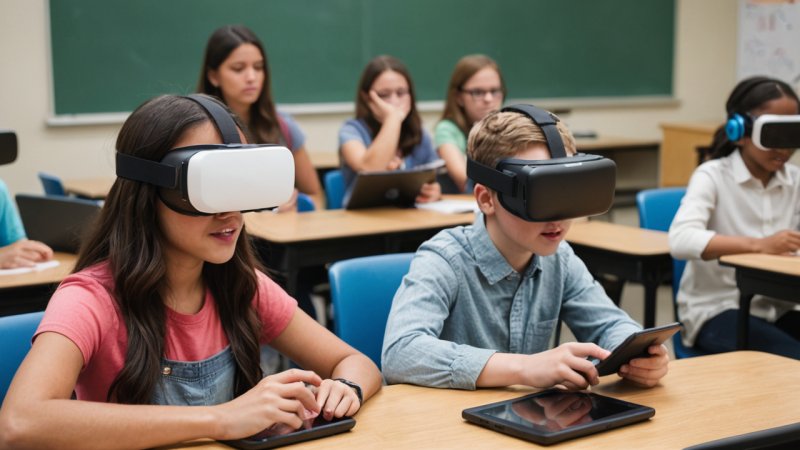
AR and VR technologies create immersive learning experiences that transport students to different environments. For instance, AR can overlay digital information onto the physical world, enhancing lessons in subjects like biology or history. VR, on the other hand, allows students to explore virtual worlds, which can be particularly effective in fields such as architecture and environmental science. This technology not only captivates learners but also increases retention by providing experiential learning opportunities.
3. Interactive Whiteboards and Smartboards
Interactive whiteboards facilitate collaborative learning by allowing multiple students to engage with content simultaneously. Teachers can present lessons in a dynamic format, incorporating videos, images, and interactive quizzes that encourage participation. Students can also contribute directly to the board, fostering an environment of teamwork and active engagement.
4. Gamification of Learning
Gamification integrates game elements into educational activities to boost motivation and engagement. By incorporating points, badges, and leaderboards, educators can create a competitive yet fun environment that encourages students to participate actively. Tools like Kahoot! and Quizizz make it easy to implement gamified quizzes and learning activities, making learning enjoyable and effective.
Strategies for Implementing Interactive Learning
Integrating technology into learning requires thoughtful planning and execution. Here are several strategies to consider when implementing interactive learning experiences.
1. Assess Learning Objectives
Before incorporating technology, educators should clearly outline their learning objectives. Understanding what students need to learn will guide the selection of appropriate tools and methods. Whether the goal is to enhance critical thinking, collaboration, or practical skills, aligning technology with these objectives is crucial.
2. Choose the Right Tools
With a plethora of tools available, selecting the right ones can be overwhelming. Consider tools that align with your objectives and the needs of your students. For example, if collaboration is a priority, platforms like Google Classroom or Microsoft Teams can facilitate communication and group work effectively.
3. Foster a Collaborative Learning Environment
Encouraging students to work together enhances interactive learning. Utilize technology to create group projects where students can share ideas and resources. Tools like Padlet or Trello can help organize collaborative efforts, allowing students to contribute from anywhere.
4. Provide Opportunities for Feedback
Feedback is essential for improving learning outcomes. Use technology to provide immediate feedback through quizzes or digital assessments. Additionally, platforms like Edmodo enable peer feedback, allowing students to learn from one another, further enriching their learning experience.
Case Studies of Interactive Learning Experiences
To illustrate the effectiveness of technology in interactive learning, let's examine a few case studies that highlight successful implementations.
1. A Virtual Field Trip
A high school science teacher used VR technology to take students on a virtual field trip to the Amazon rainforest. Students explored the ecosystem, identifying plants and animals, and participated in interactive quizzes throughout the experience. This immersive approach significantly increased students’ understanding and retention of the subject matter.
2. Gamified Learning in Mathematics
A middle school math teacher implemented a gamification strategy using Kahoot! to review material before exams. Students earned points for correct answers, and the competitive nature of the game motivated them to study more effectively. As a result, the class saw a noticeable improvement in overall test scores.
3. Collaborative Projects Using Digital Tools
An elementary school utilized Google Classroom to facilitate a collaborative project on community service. Students worked in groups to research local charities, shared their findings through presentations, and received peer feedback. This project not only taught them about social responsibility but also enhanced their teamwork skills.
Challenges in Interactive Learning
While technology offers many benefits for interactive learning, it is essential to recognize potential challenges that educators may face.
1. Access to Technology
Not all students have equal access to technology, which can create disparities in learning opportunities. Schools must work to ensure that all students have access to the necessary devices and internet connectivity to participate fully in interactive learning experiences.
2. Teacher Training
Educators may require training to effectively use new technologies and integrate them into their teaching practices. Ongoing professional development is vital to ensure teachers feel confident and competent in using technology to facilitate interactive learning.
3. Over-reliance on Technology
While technology can enhance learning, it is essential to strike a balance. Over-reliance on technology can lead to disengagement or hinder critical thinking skills. Educators should ensure that technology complements traditional teaching methods rather than replacing them entirely.
Conclusion
Technology has the potential to transform traditional learning into interactive and engaging experiences that promote deeper understanding and retention. By leveraging e-learning platforms, AR/VR, interactive tools, and gamification, educators can create dynamic environments that foster collaboration and active participation. However, it is essential to approach the integration of technology thoughtfully, considering student access, teacher training, and maintaining a balance between digital and traditional teaching methods. As we continue to explore the possibilities of technology in education, we must remain committed to creating inclusive and effective learning experiences for all students.